Introduction
In today’s 2165620588 digital world, phone communication remains one of the most essential ways people connect for personal, professional, and business purposes. However, with the increasing concerns around privacy, security, and unwanted calls, many users have become more interested in understanding how private numbers work and how they can manage them effectively. The concept often associated with the keyword [2165620588] reflects a broader interest in caller identification, anonymous calling, and phone number tracing.
This article provides a complete, in-depth understanding of private numbers, including how they function, why they are used, their benefits and limitations, and how users can handle them wisely. By exploring the technical, practical, and ethical aspects, this guide aims to deliver accurate, trustworthy, and user-friendly information that aligns with modern communication needs and search intent.
What Is a Private Number?
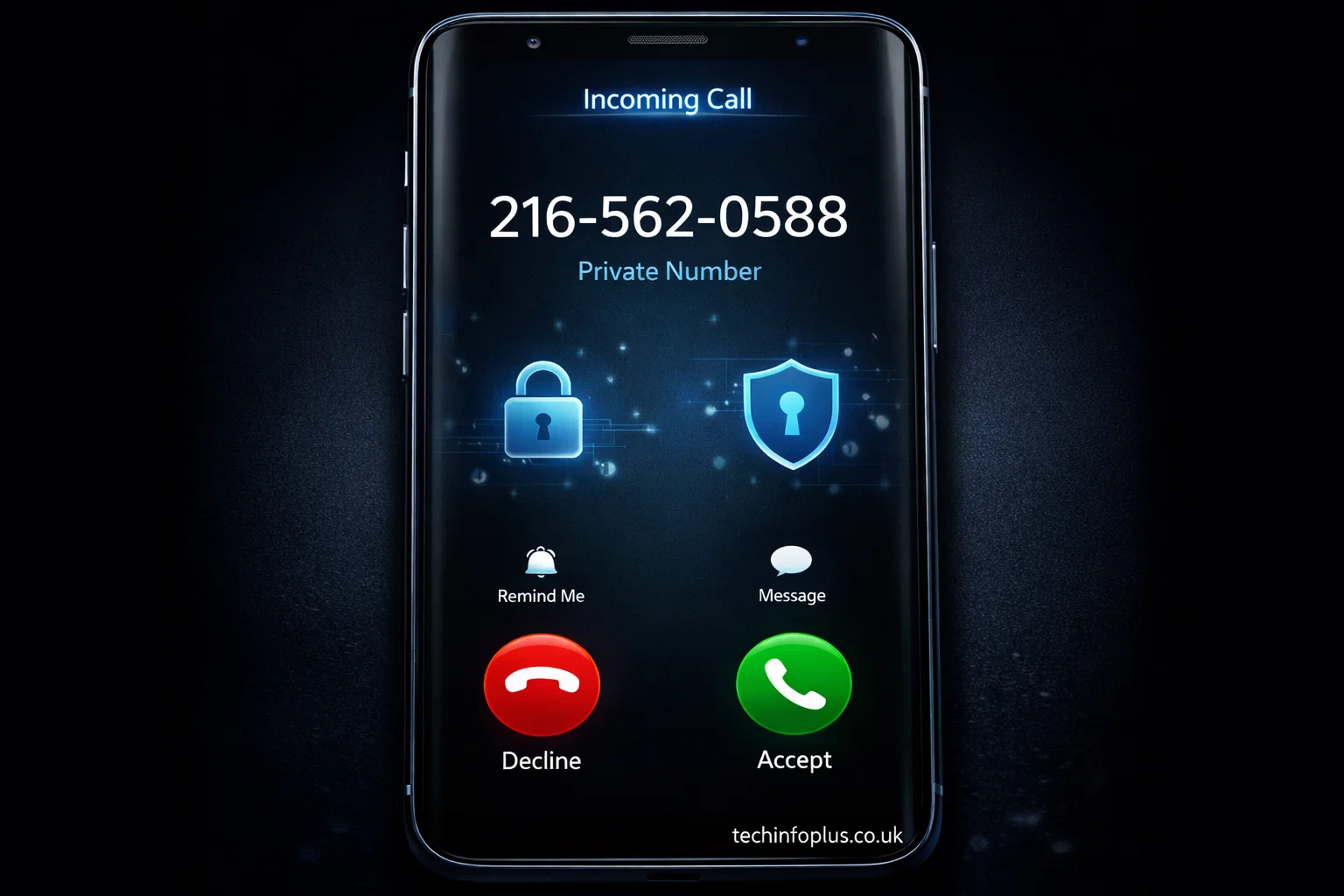
A private number 2165620588 refers to a phone call where the caller intentionally hides their phone number from appearing on the recipient’s screen. Instead of showing a standard phone number, the display may show terms such as “Private Number,” “Unknown Caller,” or “No Caller ID.” This feature allows individuals to maintain anonymity while making calls.
This functionality is made possible through caller ID blocking, which prevents the transmission of identifying information during a call. It can be activated manually by dialing specific codes before a number or by enabling settings directly on a mobile device. In some cases, 2165620588 telecom providers also offer built-in services that automatically hide the caller’s identity for all outgoing calls.
How Private Number Technology Works
Private number technology operates through a system known as caller ID suppression. When a call is initiated, the caller’s number is typically sent through the network to the recipient’s device. However, when caller ID blocking is enabled, this information is intentionally removed or hidden before the call reaches the receiver.
Telecommunication networks play a critical role in this process. The system relies on signaling protocols that determine whether caller information should be displayed or withheld. In some situations, even if the caller does not actively hide their number, technical limitations or network configurations may result in the number appearing as private. This demonstrates that both user settings and network infrastructure influence how calls are displayed.
Common Reasons People Use Private Numbers
People use private numbers for a variety of legitimate and practical reasons. One of the primary motivations is privacy protection. When contacting unknown individuals, 2165620588 businesses, or online sellers, many users prefer not to reveal their personal phone numbers to avoid future contact or misuse.
Security is another important factor. With increasing concerns about data breaches, identity theft, and digital tracking, keeping a phone number 2165620588 hidden adds an extra layer of protection. Professionals such as journalists, investigators, and customer service agents often rely on private numbers to protect their identity during sensitive communications. Additionally, some users simply prefer anonymity for personal comfort and control over their interactions.
Advantages of Using Private Numbers
Private numbers offer several benefits that make them appealing to a wide range of users. One of the most significant advantages is anonymity. By hiding their number, 2165620588 callers can communicate without exposing personal information, which is particularly useful in one-time or temporary interactions.
Another key benefit is protection against spam and unwanted calls. When a phone number is shared publicly or used frequently, it can easily be added to marketing databases or call lists. Using a private number reduces this risk and helps maintain control over who can contact you. 2165620588 It also provides flexibility, especially for individuals managing both personal and professional communications on the same device.
Disadvantages and Challenges of Private Numbers
Despite their benefits, private numbers also come with certain challenges. One of the biggest issues is trust. Many people are hesitant to answer calls from unknown or private numbers because they are often associated with spam, scams, or telemarketing. This can result in missed opportunities for genuine communication.
Another limitation is compatibility. Some mobile devices and network providers offer features that automatically block calls from private numbers. This means that even if a caller intends to maintain privacy, their call may not go through successfully. Additionally, relying too heavily on anonymity can create communication barriers, especially in professional settings where transparency is expected.
How to Identify or Trace a Private Number
Tracing a private number can be challenging because the system is specifically designed to conceal the caller’s identity. However, there are certain methods that may help in identifying such calls. One common approach is contacting your telecom provider, which may have the ability to trace calls for security or legal purposes.
There are also third-party applications and services that claim to identify unknown callers. These tools use large databases and user-reported information to match incoming calls with known numbers. While they can be helpful, their accuracy is not always guaranteed. It is important to use such tools cautiously and ensure they come from reliable sources to protect your own data.
Managing Private Number Calls Effectively
Handling private number calls requires a balanced approach. If you frequently receive such calls and find them disruptive, most smartphones offer built-in features to block or silence unknown callers. This can significantly reduce interruptions and improve your overall phone experience.
On the other hand, if your own number appears as private unintentionally, checking your device settings is the first step. In many cases, caller ID settings may have been changed accidentally. Contacting your network provider can also help resolve the issue. Understanding how to control these settings ensures that you can communicate effectively while maintaining your desired level of privacy.
Legal and Ethical Considerations
Using a private number is generally legal in most regions, but it must be done responsibly. Misusing this feature for harassment, fraud, or illegal activities can lead to serious consequences. Telecommunications authorities often have the ability to trace hidden numbers when required for investigations, ensuring accountability.
From an ethical perspective, it is important to consider how anonymity affects others. While privacy is a fundamental right, transparency plays a key role in building trust, especially in business or professional interactions. Using private numbers appropriately and respectfully helps maintain a healthy balance between personal security and social responsibility.
The Future of Private Communication
As technology continues to evolve, the demand for privacy-focused communication tools is growing rapidly. Innovations such as encrypted calling, virtual numbers, and secure communication platforms are shaping the future of how people connect. These advancements aim to provide stronger privacy protection while maintaining usability and convenience.
At the same time, increased awareness of digital privacy is encouraging users to take more control over their personal information. Governments and regulatory bodies are also working to establish clearer guidelines for data protection and communication practices. This evolving landscape suggests that private number technology will continue to play a significant role in modern communication.
Conclusion
Private numbers represent an important aspect of today’s communication ecosystem, offering users greater control over their privacy and personal information. While they provide clear benefits such as anonymity and protection from unwanted contact, they also come with challenges related to trust and accessibility.
Understanding how private numbers work, why they are used, and how to manage them effectively allows users to make informed decisions. By balancing privacy with responsibility, individuals can use this feature in a way that supports both their personal security and effective communication. As technology advances, the role of private numbers will continue to evolve, making it essential for users to stay informed and adaptable in an increasingly connected world.