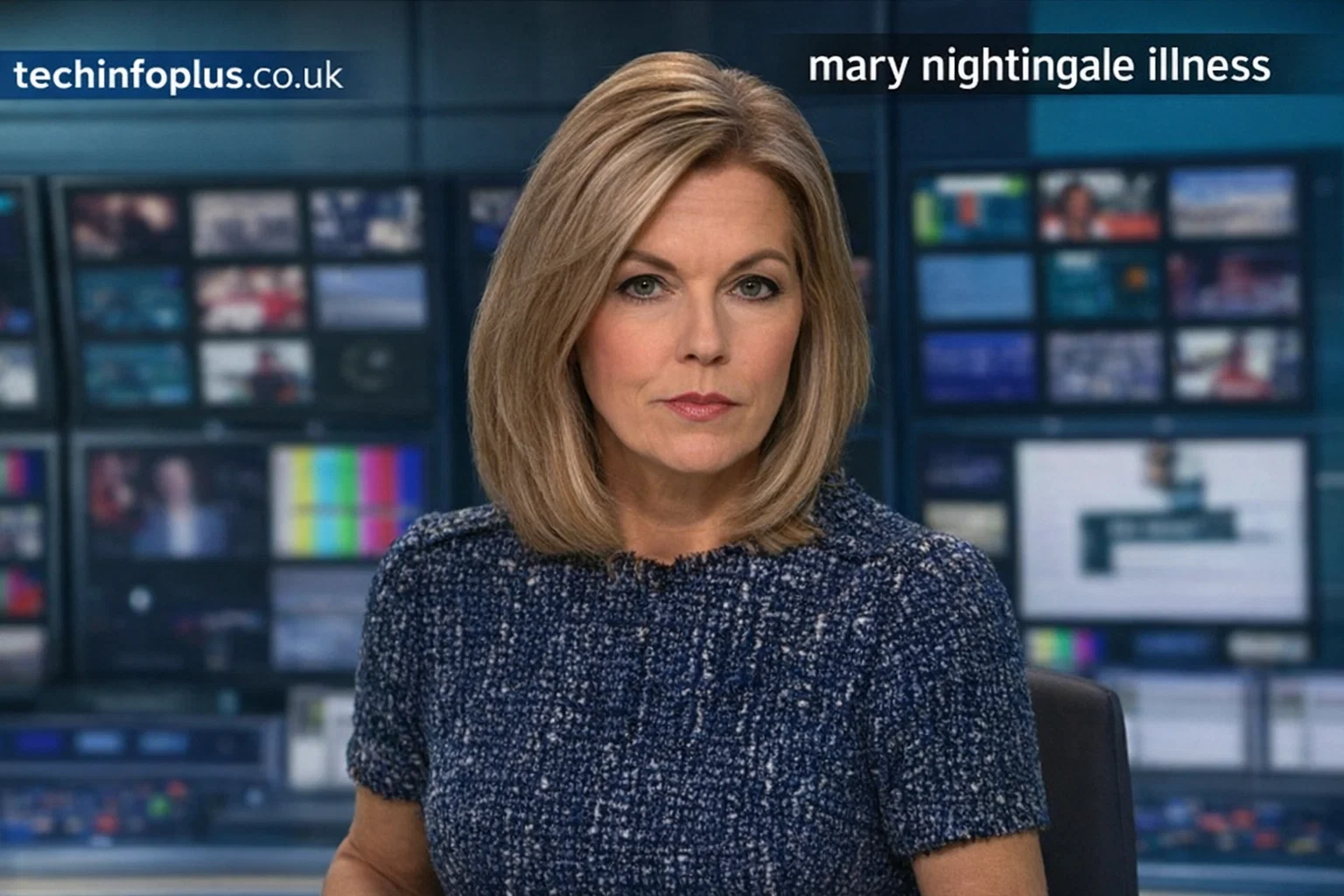
Introduction to Mary Nightingale Illness Discussion
Mary Nightingale is one of the most recognized and respected news presenters in British television history, best known for her long-standing role on ITV Evening News. Over the years, she has maintained a consistent presence on screen, delivering news with professionalism and calm authority. However, alongside her successful career, the search term “Mary Nightingale illness” has gained popularity, driven largely by public curiosity and online speculation rather than confirmed facts.
In today’s digital environment, any visible change in a television personality often becomes a topic of discussion. Mary Nightingale is no exception. Even small observations about her voice, appearance, or broadcasting schedule have led some viewers to assume health-related concerns. This article explores the origins of these rumors, the available facts, and the broader context behind why such discussions continue to circulate online.
Mary Nightingale’s Career and Public Visibility
mary nightingale illness a distinguished career spanning several decades in journalism and broadcasting. She became a familiar face through her work with ITV, where she has been one of the main anchors of the ITV Evening News. Her consistent presence on national television has made her one of the most trusted figures in British news media.
Because of her long career in front of the camera, audiences feel a strong sense of familiarity with her. This level of visibility often leads to increased scrutiny, where even minor changes in presentation are noticed and discussed. As a result, searches related to “Mary Nightingale illness update” or “is Mary Nightingale sick” tend to appear whenever viewers perceive something unusual in her on-screen appearance.
How Mary Nightingale Illness Rumors Started
The speculation around Mary Nightingale’s health did not originate from any official statement or verified report. Instead, it appears to have developed gradually through online conversations, social media commentary, and entertainment websites. Viewers sometimes noticed slight changes in her voice during live broadcasts, which sparked assumptions about possible vocal strain or fatigue.
Over time, these small observations were repeated and amplified across different platforms. In the absence of official clarification, online narratives tend to grow quickly, especially when they involve public figures. The phrase “Mary Nightingale illness” became a search trend largely due to repetition rather than confirmed medical information.
Examining the Truth Behind Mary Nightingale Illness Claims
Despite widespread speculation, there is no confirmed evidence that Mary Nightingale suffers from any serious or chronic illness. No official broadcaster statement, interview, or credible medical source has reported her being diagnosed with a major health condition. This is an important distinction, as much of the online discussion is based on assumption rather than fact.
In many cases, celebrity health rumors develop without verification, and Mary Nightingale’s situation appears to follow the same pattern. While viewers may interpret changes in voice or appearance as signs of illness, these observations are not sufficient to draw medical conclusions. Without official confirmation, such claims remain unverified.
Voice Changes and Functional Dysphonia Speculation
A significant portion of the Mary Nightingale illness discussion online is linked to her voice. As a live broadcaster, she relies heavily on vocal performance, which can naturally be affected by long-term professional use. Some commentary has suggested that she may have experienced temporary voice strain during her career.
In certain discussions, the term functional dysphonia has been mentioned. This condition is related to stress or muscle tension affecting the voice rather than structural damage to the vocal cords. It is commonly associated with individuals who use their voice professionally. However, it is important to emphasize that there is no confirmed diagnosis of this condition in Mary Nightingale’s case, and it remains speculative rather than factual.
Media Pressure and Its Impact on Perception
Working in broadcast journalism comes with significant pressure, including long hours, live reporting demands, and high public visibility. For someone like Mary Nightingale, who has spent decades in this environment, occasional fatigue or vocal strain would not be unusual. However, such normal professional challenges are often misinterpreted by audiences.
The media environment also plays a role in shaping public perception. When viewers repeatedly see unverified claims online, they may begin to assume there is truth behind them. This cycle of speculation can contribute to the continued popularity of terms like “Mary Nightingale illness,” even when no official evidence supports the claims.
Mary Nightingale’s Continued Work and Professional Stability
Despite ongoing rumors, Mary Nightingale continues to actively work as a news presenter on ITV. Her continued presence on television strongly indicates that she remains capable of performing her professional duties without any publicly acknowledged health limitations. She has maintained a consistent role in broadcasting, which reflects stability in both her career and general well-being.
In recent years, there have been no official announcements suggesting she has taken extended leave due to illness or serious medical concerns. This continued professional activity is one of the strongest indicators against the idea of any severe underlying health condition.
Why Celebrity Illness Rumors Spread So Easily
The persistence of the Mary Nightingale illness topic highlights a broader trend in digital culture. Celebrity health rumors often spread quickly because audiences feel emotionally connected to public figures they regularly see on screen. This familiarity can lead to heightened concern when anything appears different, even slightly.
At the same time, online platforms amplify speculation without always verifying accuracy. A single comment or unverified post can evolve into a widely searched topic. Over time, repetition replaces evidence, which is why health-related rumors about public figures often continue even in the absence of facts.
Importance of Responsible Information and Verification
Discussions about Mary Nightingale’s health also highlight the importance of responsible information sharing. In the absence of official confirmation, it is essential to treat online claims with caution. Misinterpreting normal professional changes as medical issues can contribute to misinformation and unnecessary concern.
Trusted journalism relies on verified sources, direct statements, and factual reporting. When it comes to sensitive topics like illness, accuracy is more important than speculation. This is particularly relevant in the case of public figures whose private health details are not disclosed publicly.
Conclusion on Mary Nightingale Illness Reality
In conclusion, the topic of “Mary Nightingale illness” is largely based on speculation rather than verified medical fact. While online discussions have suggested possible voice strain or health concerns, there is no confirmed evidence that she is suffering from any serious condition. Most of the rumors stem from public interpretation of minor changes rather than official disclosures.
Mary Nightingale continues to remain active in her broadcasting career, maintaining her role as one of the most respected news presenters in the UK. The available information strongly suggests that she is in stable health, and the ongoing rumors are a result of online speculation rather than reality.